
The Best Language Arts Games for Your Homeschool
From ABCs to storytelling—make reading and writing come alive through play!
When most people think of teaching language arts, they picture stacks of phonics worksheets or endless spelling drills. But in our homeschool, the real magic happened when we swapped flashcards for games.
I’ll admit it—at first, I didn’t view games as educational. They were something we did after learning. A fun bonus. Not something that counted as school.
That mindset shifted completely one winter when Emily was struggling to retain her math facts. We paused formal lessons for the holidays and spent weeks just playing games together. And by the time we returned to “school,” not only had her math skills soared—but her reading confidence had too.
That’s when it hit me: Games aren’t just fun. They’re foundational. They build skills, confidence, and connection—all without the struggle.
So, we became full-fledged gameschoolers. And now, I’m constantly asked about the best games for each subject. That’s why I’m launching a blog series featuring our favorite games by subject—starting today with language arts.
From early alphabet recognition to advanced storytelling and grammar, here are the language arts games we’ve loved most over the years.

Why Use Games to Teach Language Arts?
Language arts covers a wide range of skills—reading, writing, grammar, spelling, vocabulary, and even public speaking. That’s a lot to tackle with just worksheets or reading logs.
What I love about using games is how naturally they support all these areas through playful, low-pressure repetition. When you add games to your homeschool routine, you’re giving your child a chance to:
- Practice phonemic awareness
- Build reading fluency and comprehension
- Strengthen spelling and vocabulary
- Explore storytelling and narration
- Learn grammar and sentence structure through context
- Boost confidence with speaking and creative expression
Whether you’re working with a brand-new reader, a struggling speller, or a budding writer, there’s a game that can help make those lessons click.
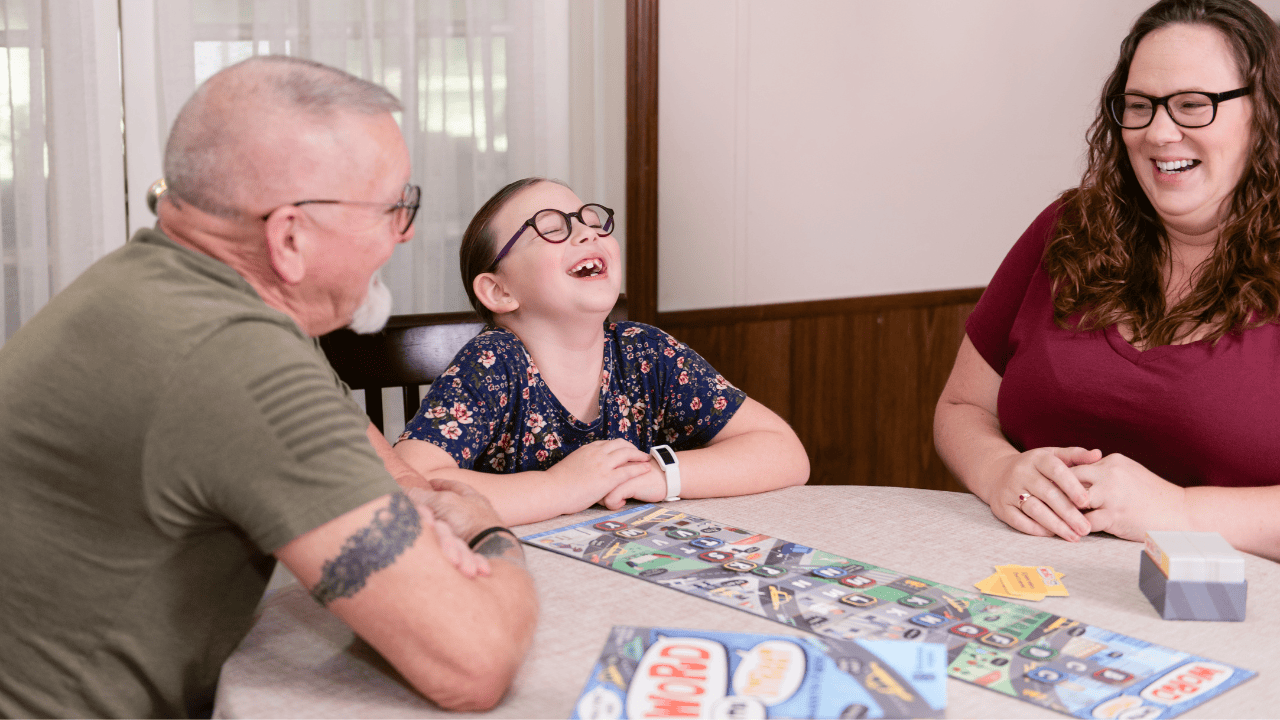
How to Use Language Arts Games in Your Homeschool
The beauty of gameschooling is that there’s no one right way to do it. You can use language arts games in a way that fits your family’s routine and learning style. Here are some of our favorite ways to weave them in:
- 🎯 Swap a lesson – Play a spelling or phonics game instead of a worksheet once a week.
- 🎉 Fun Friday – Reserve Fridays for all-subject review games and language arts storytelling.
- 🧺 Morning basket time – Start your day with a light, literacy-based game to warm up those reading brains.
- 🚗 Carschooling – Pack a small card game to reinforce vocabulary on the go.
- 🧺 Strewing – Leave a storytelling or word-building game out and see if your child takes the bait!
No matter how you play, just remember: games count. They are learning. They are valuable. And they just might become the part of your homeschool day your child looks forward to most.
Alphabet & Letter Sound Games
These games are perfect for preschoolers and early readers just beginning their journey into phonics and print. They make learning letter names, sounds, and order playful and fun!
Learning Resources Pop for Letters, EarlyBriarpatch Super Why ABC Game PBSSchool Zone – Go Fish AlphabetAlphabet Slap Jack – a FunBriarpatch The World of Eric CarleLearning Resources Alphabet Island, Letter &Educational Insights Frida’s Fruit Fiesta Game,Deeplay Alphabet Bingo Game Card BoardPeaceable Kingdom Alphabet Bingo! Letter LearningLearning Resources Alphabet Marks The SpotAlphabet Bingo GamesPeaceable Kingdom Alphabet Go Fish Letter
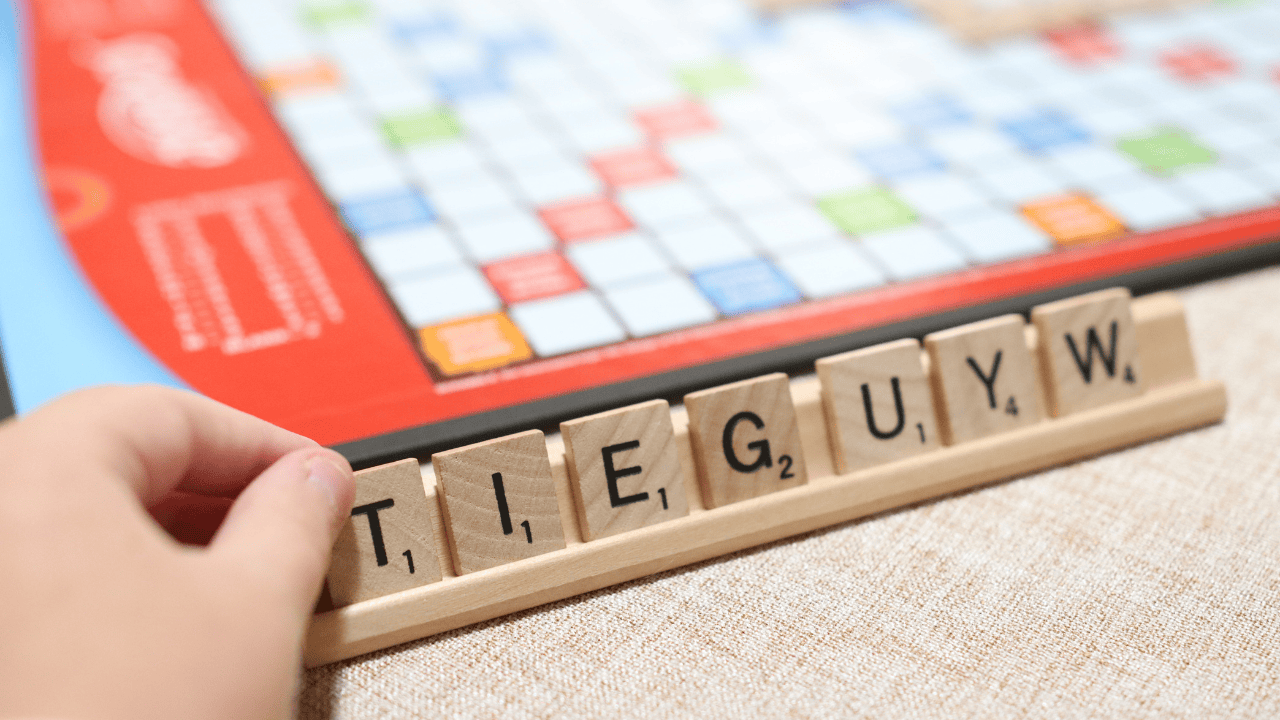
Spelling Games
Whether your child is learning to spell CVC words or conquering longer multisyllabic words, these games offer fun and repeated exposure that sticks.
ThinkFun Zingo Word Builder Early ReadingBoggle Junior, Preschool Game, First BoggleUpwords, Fun and Challenging Family WordQuiddler Word GameBananagrams: Multi-Award-Winning Word GameJunior Learning Spelligator, Multicolor, Model:JL100Hasbro BoggleWinning Moves Tile Lock ScrabbleWord Shout Dice GameEducational Insights WordicalEducational Insights Word on the StreetSmart Start Cheese Dip
Learn-to-Read Games
Reinforce sight words, phonics patterns, and early decoding skills with these read-and-play favorites. They’re ideal for beginning readers and reluctant learners.
uKloo Early Reader Treasure Hunt GameLearning Resources Snap It Up! PhonicsBob Books Happy Hats Beginning ReadingLearning Resources Sight Word Swat aThinkFun Zingo Sight Words Award WinningLearning Resources Pop for Blends Game,Learning Resources Pop for Sight WordsSight Words Bingo – language building
Vocabulary Games
Build expressive language and word knowledge while having a blast! These games are great for expanding vocabulary, practicing synonyms, and encouraging thoughtful word choices.
ThinkFun Word A Round Game –APPLES to APPLES JUNIOR The GameEducational Insights Super Sleuth Vocabulary GameEducational Insights Blurt! Word Game, IncludesPressman Don’t Say It Where aRhyme Antics-The Hilarious Rhyming Vocabulary Game!Play On Words Card Game –Cheatwell Games Pickles to Penguins
Grammar Games
Learning grammar doesn’t have to be dry. These games make parts of speech, sentence structure, and even silly syntax fun and memorable.
Parts of Speech Bingo GameMiss Bernard is a Wild CardLooney Labs Mad Libs The GameVery Silly Sentences (DK Toys &
Storytelling Games
Boost creative writing and oral language skills with games that spark imagination and help kids develop their storytelling voice. Perfect for writers of all levels!
Tell Tale Card GameSCS Direct, Tall Tales Story TellingeeBoo Create and Tell Me ARory’s Story CubesRavensburger Tell-A-Story GameAtlas Once Upon A Time 3rdDixitBrotherwise Games Call to Adventure, Multi-Colored
Want Even More Language Arts Games?
Looking for more? You can shop our full collection of favorite language arts games here, organized by skill and age level. Whether you’re working on phonics, vocabulary, or creative writing, there’s a game to help you teach it—without tears or boredom.
Games have transformed how we approach language arts in our homeschool. They bring joy to phonics, excitement to spelling, and adventure to storytelling. Most importantly, they remind us that learning doesn’t have to be hard to be meaningful.
What’s your family’s favorite language arts game? I’d love to hear what’s on your shelf!
