
Our Relaxed Homeschool Summer Routine
Every year when summer rolls around, we ease into a slower, more relaxed homeschool rhythm and honestly, we wouldn’t have it any other way. Summer in Florida is hot, humid, and often rainy, which means we naturally spend more time indoors. Rather than fight it, we lean in and use this time to continue learning in ways that feel fun, fresh, and family-centered.
Over the years, we’ve found that sticking to a flexible daily routine, not a strict schedule, makes our summer days more enjoyable. We split our days into four parts: morning, midday, afternoon, and evening. This natural flow keeps things structured without being rigid and lets us focus on connection and curiosity.
If you’ve ever wondered what summer homeschooling can look like when it’s relaxed and interest-led, keep reading. I’ll walk you through our current summer routine, share the resources we’re using, and give you a peek at how we’re making the most of learning together even when the weather keeps us inside.
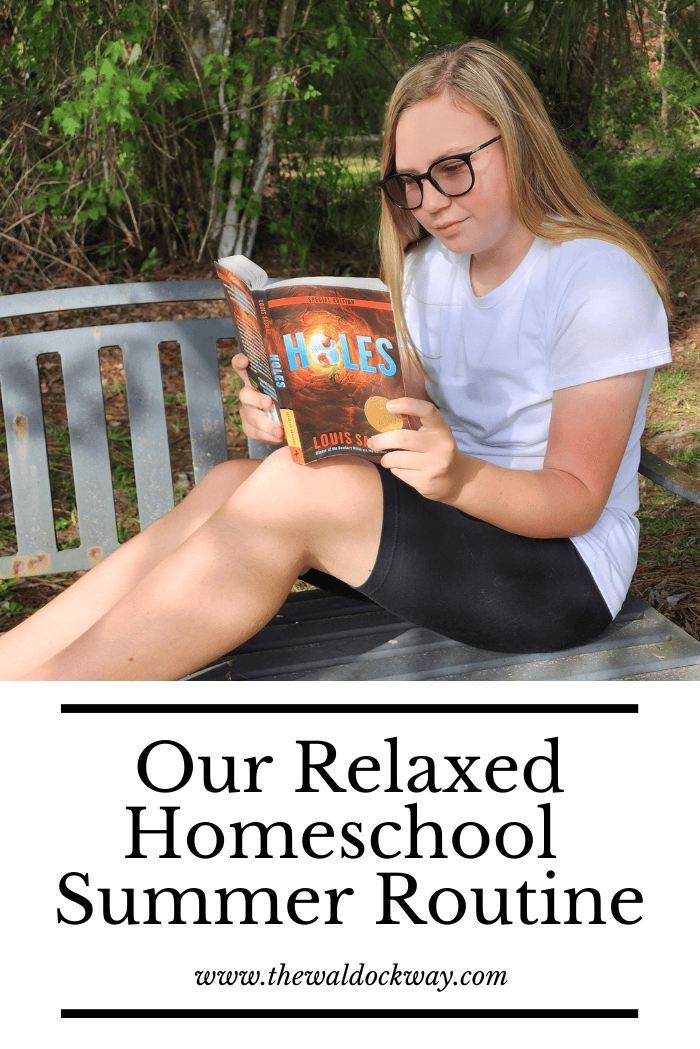
What Summer Looks Like in Our Homeschool
Summer is when we truly embrace the idea that learning doesn’t have to look like school. We spend more time outside early in the day, more time reading in cozy corners during the afternoon, and more time exploring beyond our four walls.
Instead of focusing on grade levels or formal subjects, we build our summer days around:
- Following Emily’s interests
- Keeping skills fresh with games and gentle practice
- Staying cool with pool school
- Making the most of Florida’s incredible natural and cultural sites
There’s still learning happening every day but it’s infused with more freedom, fun, and flexibility.
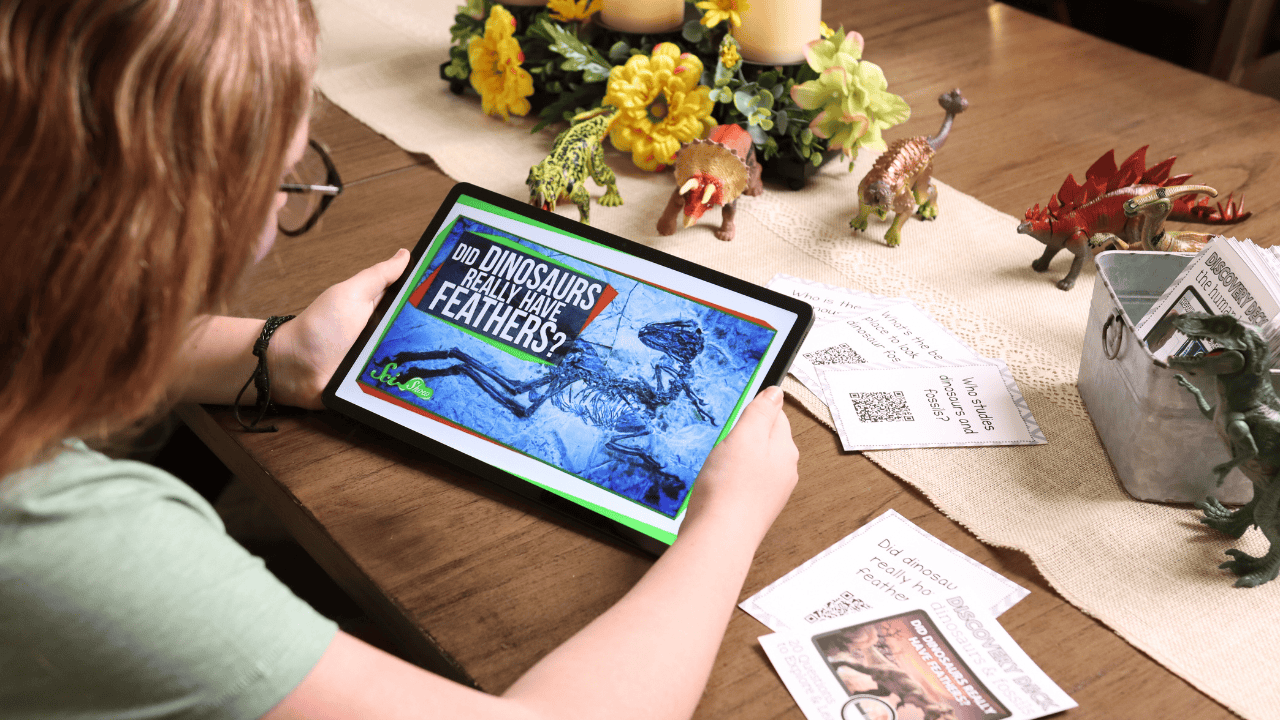
Morning Routine: Discovery Decks Over Breakfast
We like to start slow, especially in the summer. Each morning, we kick off the day with Discovery Decks over breakfast. These screen-supported card decks are a fun and simple way to spark curiosity first thing in the day.
Emily scans a card’s QR code and watches a short video while she eats. Sometimes it leads to a great conversation; other times it’s just a quick fact break before we move on with the day. Either way, it’s a gentle and engaging start that keeps us learning without pressure.
This summer, we’re focusing on these decks in particular:


Getting Outside Early: Nature Walks & Pool School
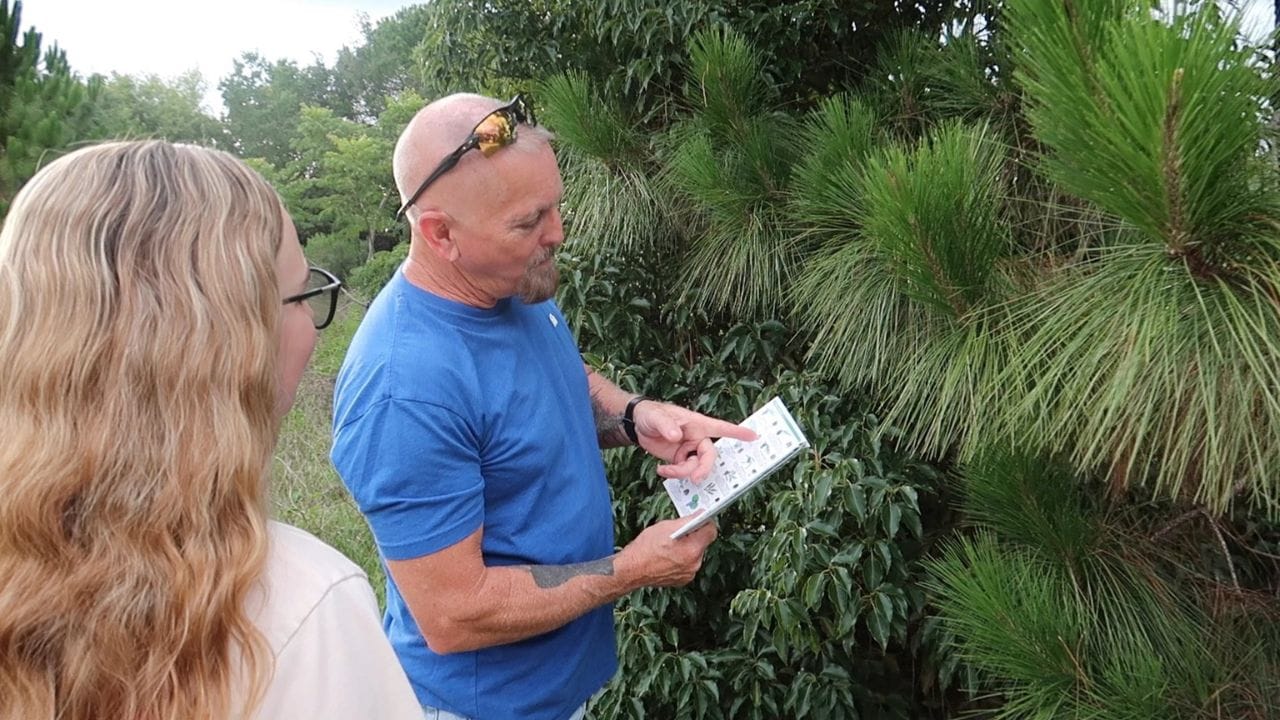
Once breakfast is finished, we head outside to beat the heat and make the most of Florida’s natural beauty. Mornings are ideal for nature walks, whether we’re wandering a local trail or just observing our own backyard. We bring along our Florida plant and wildlife guides to identify native species, track animal signs, and spot birds, insects, and wildflowers mentioned in our unit study. It’s a hands-on way to connect with what we’re learning and get a deeper appreciation for the ecosystems around us.
Some days we turn our walk into a themed scavenger hunt, other days we journal our finds or sketch interesting plants. These nature walks have become one of our favorite parts of summer learning because they are simple, meaningful, and always full of surprises.
After our time outdoors, we often cool off with Pool School, our playful way of combining water time with learning. We use waterproof math games, floating letter tiles for spelling practice, and sometimes spark science discussions about things like buoyancy or water cycles. Whether it’s structured or spontaneous, it always feels like time well spent.
If you’re curious how we make learning work in the water, check out our full post on pool school here.
Midday: Read-Alouds, Games & Unit Studies
After we dry off and have lunch, we transition into our main learning block for the day. We keep this part short, intentional, and focused on topics that excite us.
Read-Alouds from Books Made Into Movies
During lunch, I love reading aloud—especially books that have been made into movies. It’s one of my favorite summer traditions because it allows us to slow down, enjoy stories together, and follow it up with a cozy family movie night.
This summer, we’re starting with two Florida-set novels:


Both of these books are not only great reads, but also come with Waldock Way Novel Studies that include copywork, discussion questions, writing prompts, and book-to-movie comparison activities. It’s an easy way to deepen comprehension and make reading even more interactive.
Games for Financial Literacy
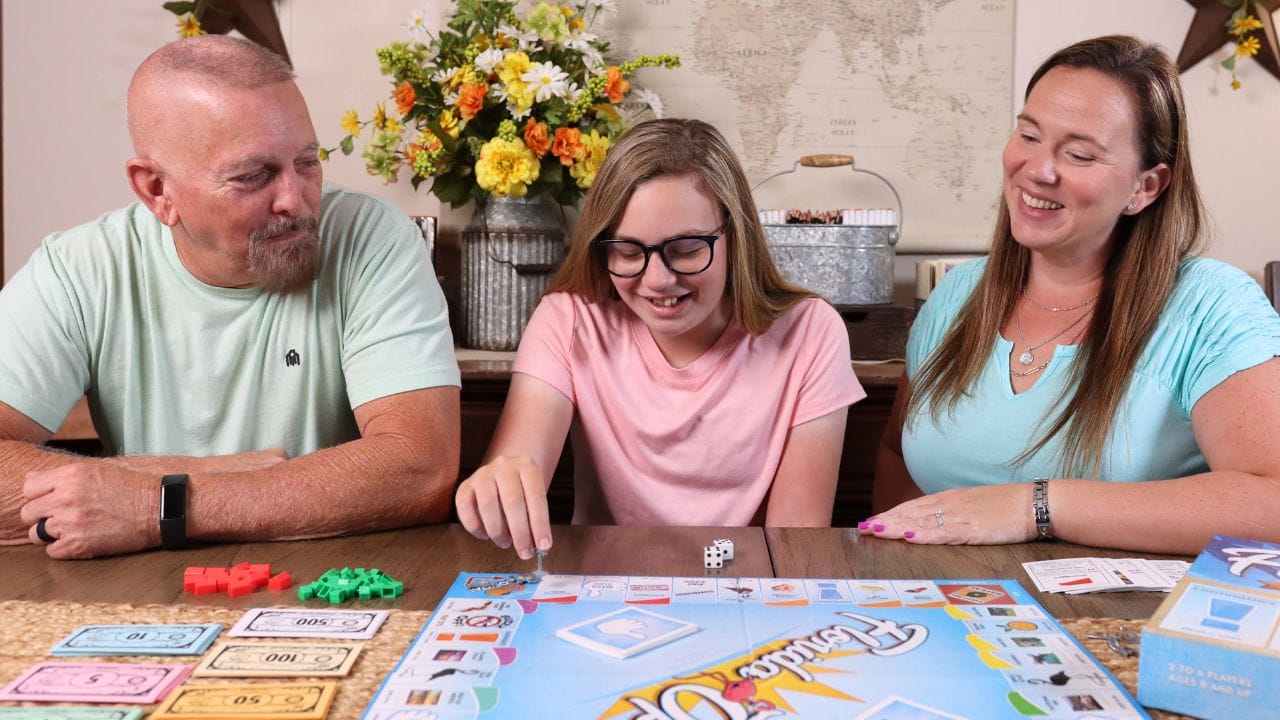
After our read-aloud, we’ll often play a quick educational game—usually something that reinforces financial literacy. This is one of my priorities this summer: sneaky math that doesn’t feel like school.
These games encourage real-world thinking, budgeting, and math skills without needing a workbook. It’s hands-on, high-interest learning disguised as family fun.
We’ll be rotating through favorites like:
Fascinating Florida Unit Study
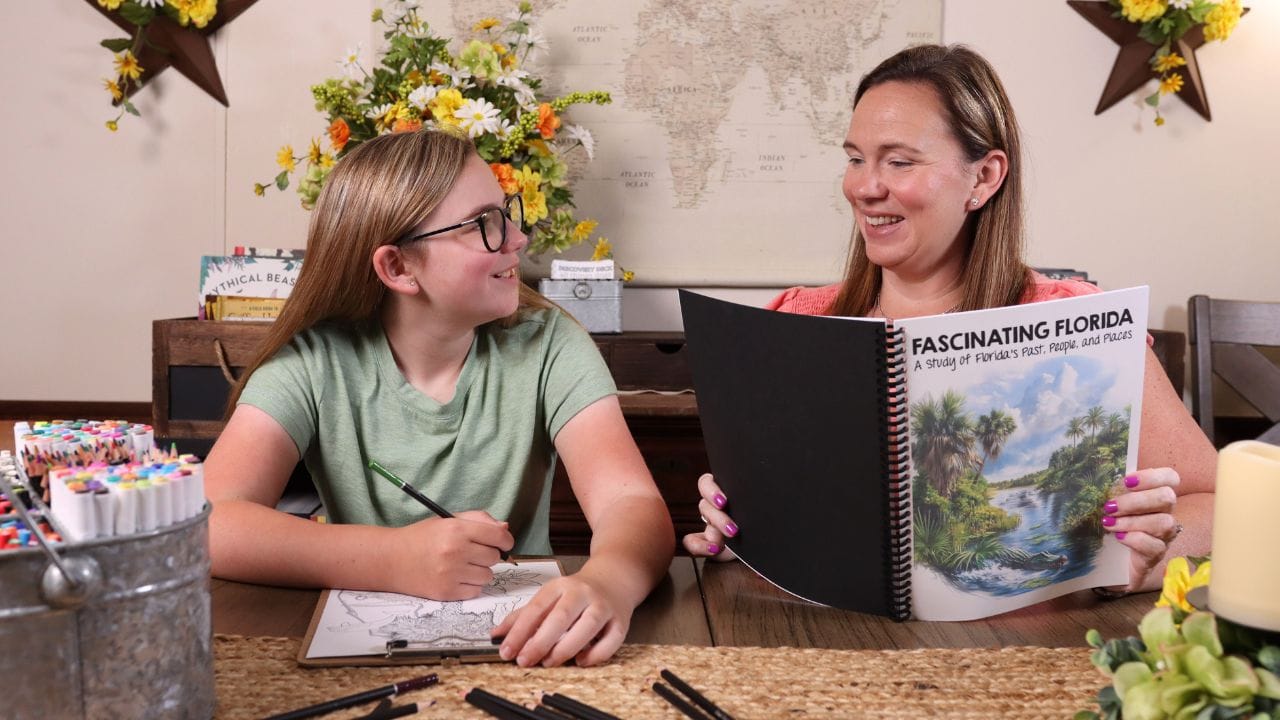
We’ll end our midday block with a lesson from the Fascinating Florida Unit Study. This 12-lesson cross-curricular study covers everything from Florida’s geography and wildlife to explorers, statehood, and landmarks.
Each lesson includes a nonfiction reading passage, comprehension questions, writing prompts, maps, timelines, and printable games like trivia and timeline match. We typically complete one or two lessons per week and tie them into our Friday field trips for hands-on connection.
Afternoon & Evening: Free Time, Family Time, & Subscription Box Fun
By the afternoon, our more structured learning is done. Emily usually spends time reading independently, creating something artistic, or watching a screen-supported educational video.
In the evenings, we often unwind with family fun. This might look like:
- A round of a favorite board game
- Art time at the table
- Exploring new flavors with a Universal Yums subscription box
- Watching the movie version of the book we just finished
It’s the perfect way to reconnect, relax, and close out the day with something enjoyable.
Field Trip Fridays: Learning Through Exploration
One of the biggest parts of our summer routine is what we call Field Trip Fridays. Each week, we plan a day to get out and explore somewhere new—or revisit a favorite spot with fresh eyes.
Because our Fascinating Florida study includes a list of field trip ideas for every lesson, it’s been easy to tie our outings directly to what we’re learning. We’ll be visiting:
- State and national parks
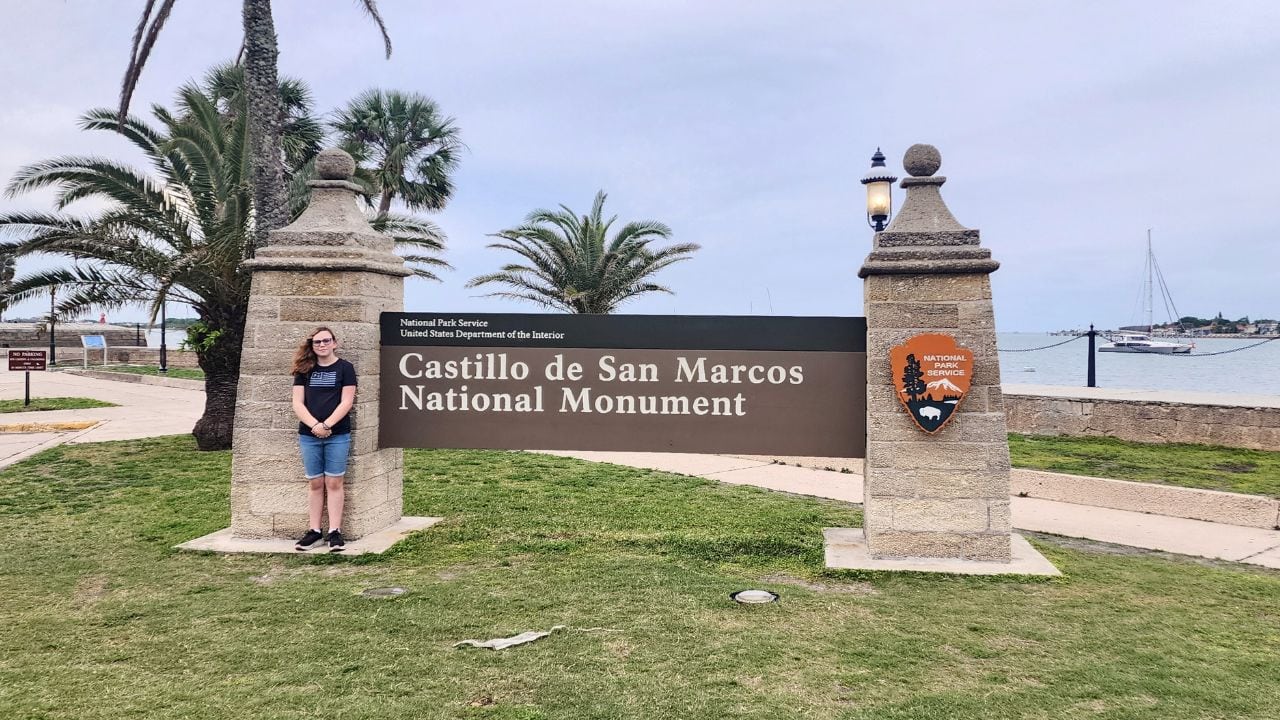
- Historical sites like forts and museums
- Local wildlife preserves and nature centers
- Government buildings for civics connections
- Florida landmarks that show up in our reading or studies
These trips make the lessons come alive and help us build lasting memories while reinforcing what we’ve read about. It’s hands-on learning at its best—and a highlight of every summer for us.
Why We Homeschool Through Summer
We’ve learned that our homeschool thrives on rhythm, not rigidity—especially during the summer. Having a loose structure to guide our days gives us a sense of flow without boxing us into a tight schedule. That’s what makes this routine work so well for us year after year.
Instead of blocking out specific hours, we think of our days in three parts: morning exploration, mid-day learning, and open-ended afternoons. Each part has purpose, but we leave room for flexibility.
This rhythm gives us the best of both worlds: consistency without confinement. It helps us stay connected to our learning goals while still embracing the freedom that makes summer so special.
Florida summers are hot, humid, and full of afternoon storms. We’re looking for ways to stay engaged and entertained indoors anyway, so why not make it meaningful? With the right mix of interest-led learning and a relaxed routine, summer becomes an opportunity to deepen family bonds, explore new topics, and keep curiosity alive without the pressure of a formal school year.
Whether you homeschool year-round or are just looking for a gentle way to extend learning into the summer months, I hope our routine gives you ideas and inspiration. You don’t need to follow a strict schedule or do everything we do. Just find what works for your family—and follow the fun.