
The Waldock Way Unit Studies and Older Learners
When most homeschoolers think of unit studies, they picture elementary kids diving into hands-on projects, art activities, and read-aloud adventures. And while that is all true, the reality is that for many families unit studies aren’t just for younger learners. In fact, they’re one of the most effective, and enjoyable, ways to keep middle and high schoolers engaged and learning.
In our homeschool, we used unit studies all the way through the teen years, adapting them to fit my children’s growing interests and academic goals.

Why Unit Studies Still Work for Older Students (yes, even middle school and high school!)
Older learners crave both connection and relevance. They want to know why something matters, how it fits into the bigger picture, and how they can apply it to real life. Unit studies naturally provide this more cohesive context.
When you center learning around a theme, learners make meaningful connections across subjects:
- History becomes more than dates and timelines.
- Science links to inventions, discoveries, and real-world applications.
- Literature offers voices and stories that bring the topic to life.
- Math is more actionable and connected to our daily experiences.
Instead of memorizing isolated facts, older learners are analyzing, synthesizing, and evaluating. These are higher level thinking skills that truly prepare them for adulthood.

Adapting Unit Studies for Middle and High School
The good news is you don’t have to start from scratch or abandon the resources you’ve come to trust. Our Waldock Way unit studies can be scaled up with just a few strategic tweaks:
1. Increase Independence
Give older students ownership over their learning. Instead of directing every step, let them set learning goals, manage their time, and choose which activities to pursue.
Within our unit studies, this might mean letting your teen select which books from the recommended reading list speak to them, which projects to tackle, or which aspects of the topic to explore more deeply. The framework is provided but the study, but they bring the curiosity and direction.
2. Add Depth Through Research
Unit study topics and themes are excellent launching points for deeper research. Encourage older students to ask questions like:
- How did this event influence what came after?
- What were competing perspectives at the time?
- How do experts in different fields interpret this?
- What parallels exist with current events?
These questions push students from surface understanding into genuine critical thinking and academic excellence.
3. Incorporate Advanced Writing and Critical Thinking
While younger children demonstrate learning through drawings or simple narrations, older students can produce more sophisticated written work. Build in opportunities for:
- Comparative essays analyzing historical parallels
- Persuasive arguments on ethical questions raised by the unit
- Research papers exploring specific aspects in depth
- Creative projects with accompanying analytical reflections
The writing process itself also transfers directly to college and professional life.
4. Connect to High School Credits
Many families successfully count Waldock Way unit studies toward high school credits in history, literature, science, and electives. The key is documentation.
Keep records of:
- Books read (including page counts for literature credits)
- Hours spent on various aspects of the study
- Projects completed and papers written
- Skills developed
A six-week unit study might yield credits in multiple subjects. Learn more about how to determine credits for high school transcripts in this resource.
5. Encourage Real World Application
This is where unit studies work best for older learners. Include documentaries that explore your theme from different angles, seek out online interviews, or look for volunteer experiences related to your study.

Learning Together Still Matters In Your Homeschool
One of the greatest joys of homeschooling is that learning doesn’t have to stop being a shared experience. Even as our kids grow older, they still appreciate conversation, connection, and curiosity. Unit studies let us continue to learn together, while honoring their growing independence and maturity.
Browse The Waldock Way Unit Studies for Older Learners
Ready to explore how The Waldock Way can transform your middle or high schooler’s education? Our unit studies are designed to grow with your child, offering the flexibility and depth that older learners need.
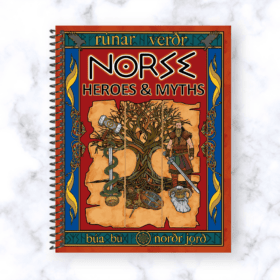
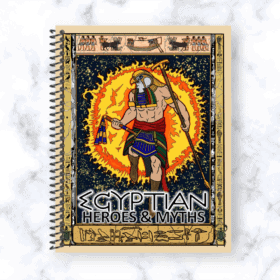
From Greek Heroes and Myths to a comprehensive study of human anatomy, our resources provide the framework while your teen brings the curiosity and drive. Each unit includes book recommendations, activity suggestions that scale to different levels, and opportunities for the kind of deep, connected learning that prepares students for life beyond homeschool.




A Note From Jessica…
Shawna was kind enough to share her experience using The Waldock Way Unit Studies with her Older Learners, you can find more resources from her on her site: Different By Design.

Shawna Wingert is a special education teacher turned write, and has homeschooled her two children for the last ten years. Shawna has written four books – Everyday Autism, Special Education at Home, Parenting Chaos and her latest, Homeschooling Your Child With Special Needs. She has also been featured in homeschooling discussions on Today.com, The Mighty, Simple Homeschool, My Little Poppies and Raising Lifelong Leaners.