
The Writing Curriculum We Didn’t Use (And How My Child Learned to Love Writing)
Emily is writing a book for fun! When I share this with other homeschool moms, they are pretty quick to ask what writing curriculum we use. Honestly, there was a time when I didn’t think we would ever find the right curriculum to teach writing.
Then, we stepped away from traditional writing curricula. Writing had become heavy and stressful instead of joyful. We were both feeling reluctant to complete writing assignments, so I decided to protect her relationship with writing and ditch formal lessons.
When we stepped away from our writing curriculum, we realized there are other ways to build strong writing skills. Reading together every single day and using real-world writing practice opportunities turned writing into something we could all get excited about. Everything changed when writing became a way to communicate instead of another box to check.
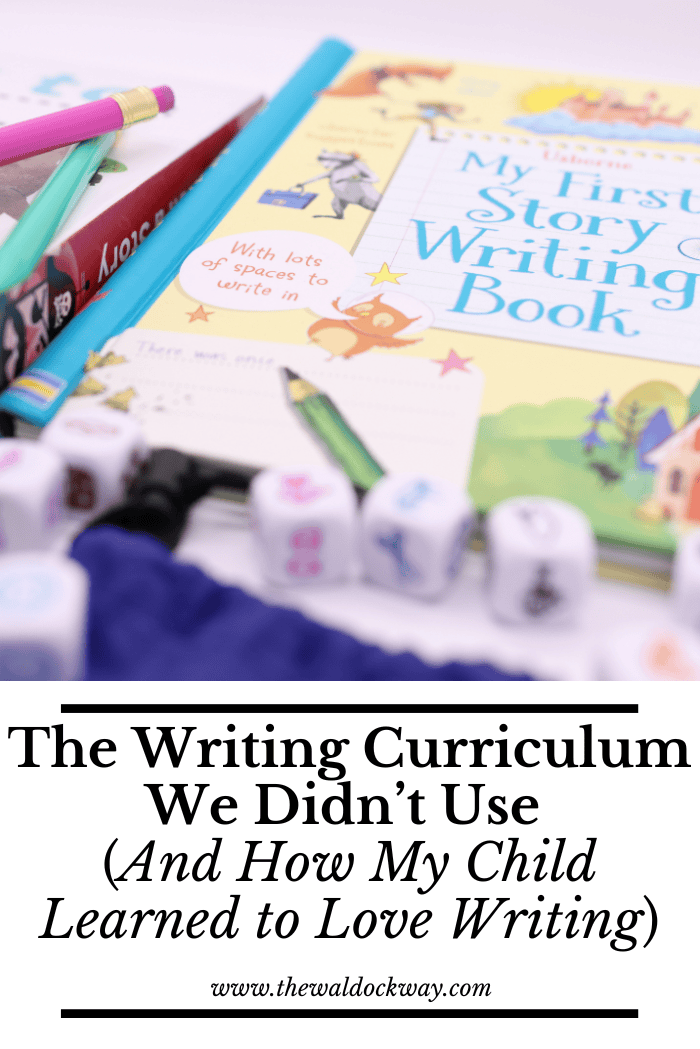
Why We Stepped Away from a Writing Curriculum
I create curriculum, so my initial reaction was to adjust our curriculum to fit our family better. I modified lessons, adjusted pacing, and changed assignments. Ultimately, I realized that it just wasn’t fixable for my child.
Writing became a chore for her and for me. The spark was gone, and I didn’t know how to get it back. Instead of just being something we struggled with, it was a subject we had come to loathe.
It wasn’t a dramatic moment. It happened when I decided to protect Emily’s relationship with writing above everything else, even if it meant setting the curriculum aside completely.
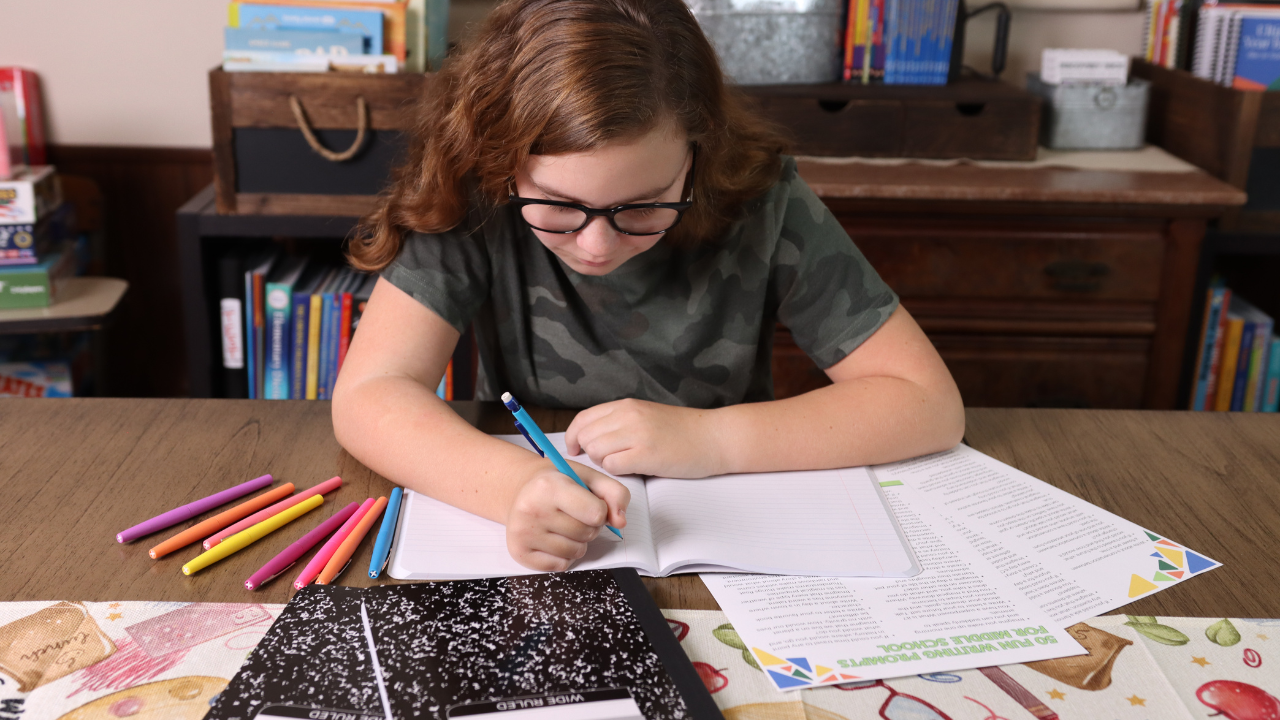
What We Didn’t Do in Our Homeschool Writing
So, what did we do instead? First, I’ll tell you what we didn’t do in our homeschool writing. We didn’t just stop the boxed curriculum; we put away the workbooks, and I didn’t assign essays. I didn’t invest in red pens for endless corrections either. Ultimately, we decided not to separate writing from our real lives.
We Didn’t Assign Daily Essays or Workbook Pages
There were no forced writing prompts, no matter how creative or critical they felt. I didn’t ditch the boxed curriculum in order to assign various writing assignments as part of our other lessons or add them to our read-aloud sessions.
We also didn’t drill and kill grammar facts and spelling with flashcards and quizzes. I can’t think of a better way to make Emily hate writing than by diagramming sentences and memorizing spelling rules, so we didn’t do that.
We Didn’t Correct Everything With a Red Pen
After skipping out on workbook pages, it might be tempting to take a red pen to everything else your student writes. I was able to resist the urge to become the editing police and put the red pens away.
Instead, we focused on just one or two skills at a time. When those skills were mastered, we gradually added new skills. This approach leads to growth in a way that’s encouraging for kids and helps build their confidence.
Slowly and intentionally, we layered skills without turning every writing attempt into a list of red marks. Over time, we could see the growth and that shift in perspective made all the difference.
We Didn’t Separate Writing From Real Life
I think one of the biggest reasons our approach to writing without a curriculum is successful is that we decided not to separate writing from real life. There’s a big lie about writing that many of us homeschool moms fall for. We start believing that writing has to look like school to count.
Writing doesn’t have to look like schoolwork. Writing is communication, and communication can happen anywhere. It happens everywhere!
When your homeschooler writes a thank-you card for a birthday gift, that’s writing. When they write out their Christmas wish lists, that counts too! When they scribble ideas in the margins of their notebooks, that is absolutely writing.
Once we start seeing all communication as writing, we can stop panicking about what we aren’t doing and start celebrating all the excellent writing we are doing. You’re probably covering way more writing than you’re giving credit for in your homeschool right now.
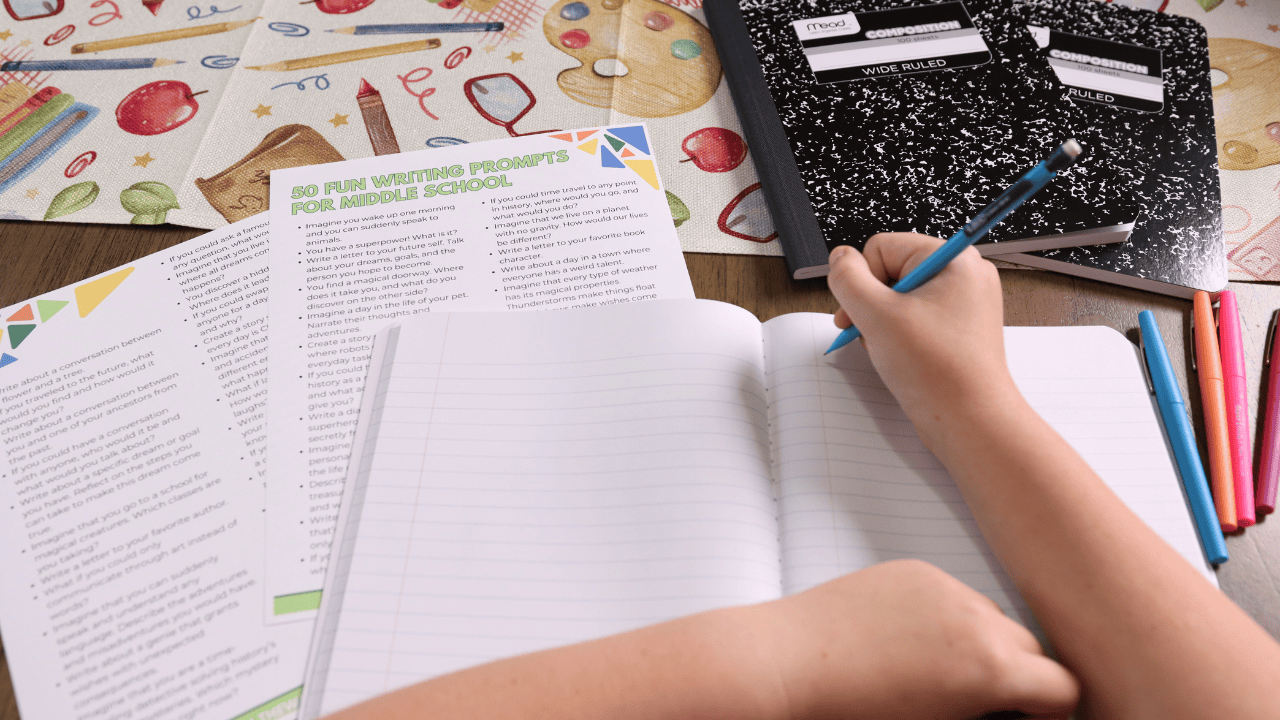
What We Did Instead (That Actually Built Strong Writing Skills)
What did we do instead? There are quite a few approaches we found that actually built strong writing skills in our homeschool without a curriculum. The number one way we build writing skills is by reading aloud. We have also added a few fun routines like journaling and “mail time Monday.”
We Read Aloud Every Single Day
We read aloud every single day. Margaret Atwood famously said, “It is my contention that the process of reading is part of the process of writing, the necessary completion without which writing can hardly be said to exist.”
Even now that Emily is in middle school and reads independently, we still read aloud together. When we read excellent stories this way, something quietly powerful happens. Reading aloud provides:
- Sentence structure modeling
- Vocabulary exposure
- Dialogue formatting
- Story pacing
Reading aloud allows it all to soak in naturally without diagramming sentences, completing workbook pages, or using flashcards. If I had to choose between reading aloud and a writing curriculum, I would choose reading aloud every time.
We Focused on Real-World Writing Practice
Real-world writing practice is all about writing with a purpose, writing for an audience, and writing that actually matters to the person doing it. It’s the opposite of writing a paragraph because a workbook or teacher tells you to do it.
Real-world writing happens when you have something to say and someone you want to read it. This became the heart of our approach to writing. Over the years, the activities have changed, but the approach is the same.
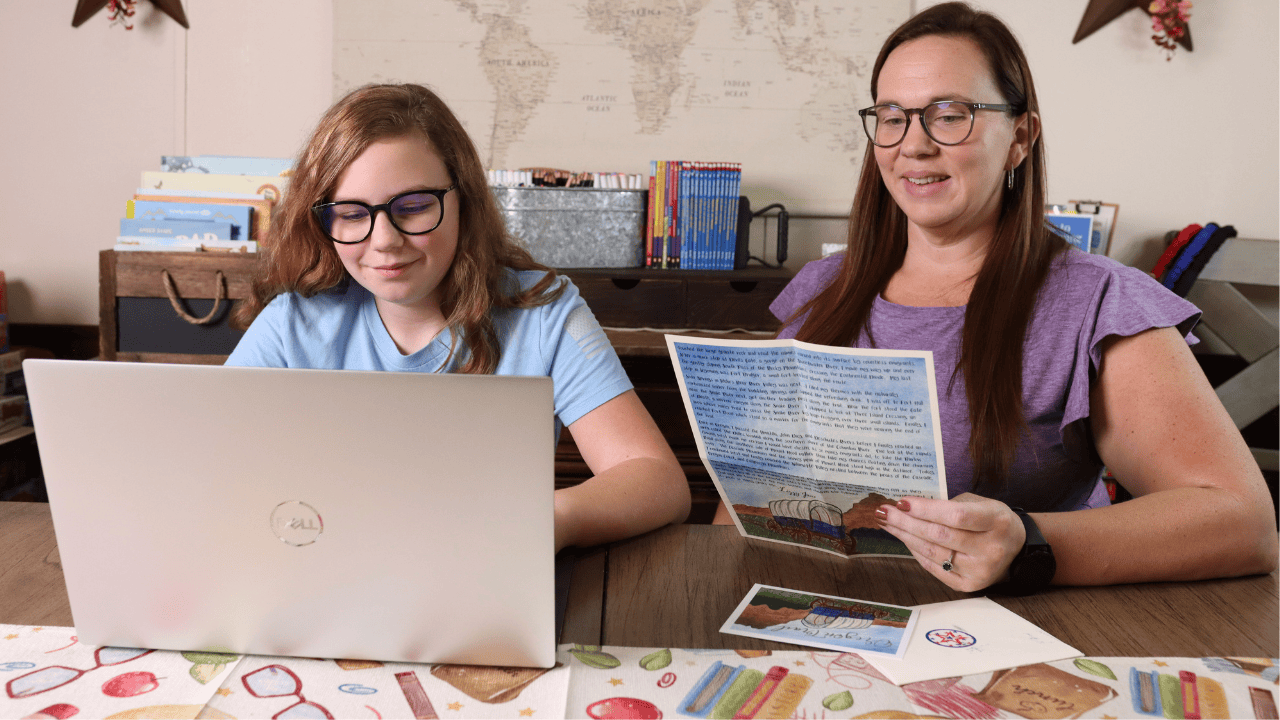
Our Mail Time Monday Routine (Real-World Writing in Action)
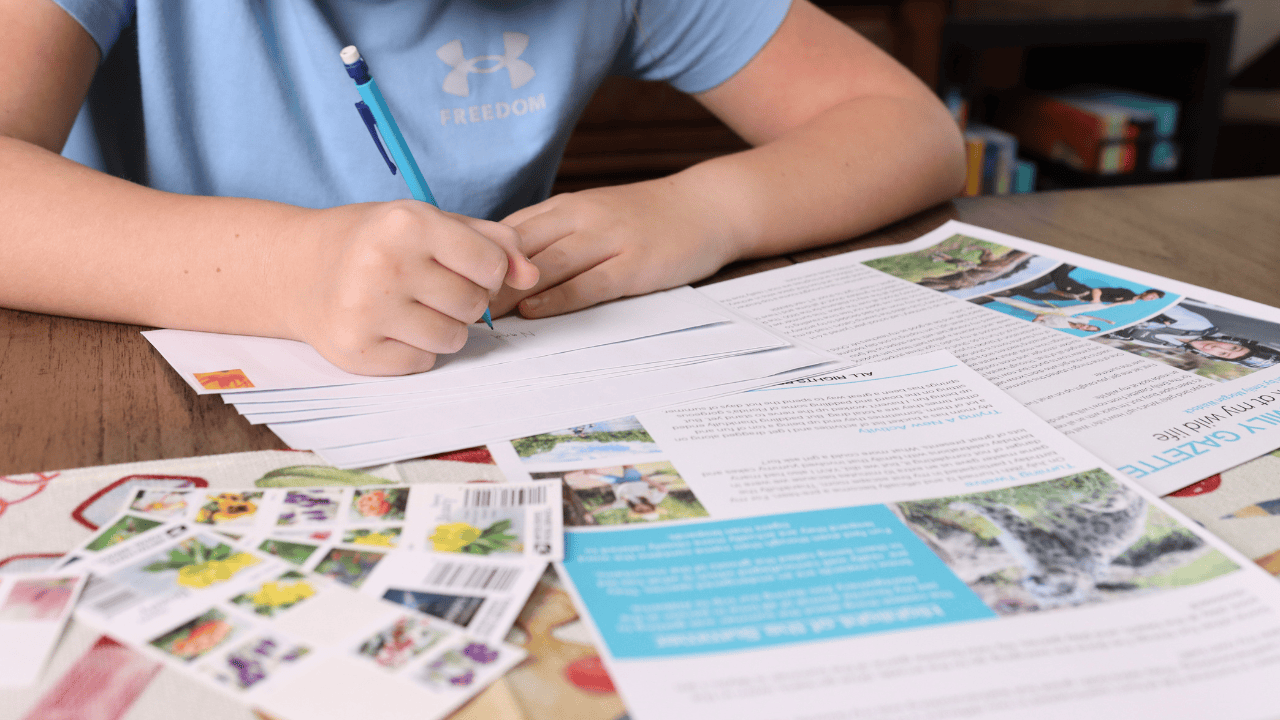
Our first real-world writing practice started in kindergarten with something beautifully simple: Mail Time Monday. I would write a sentence in highlighter on a notecard. Then, Emily would trace over my words.
In this way, she practiced letter formation and learned the structure of a gracious note simultaneously. She loved receiving mail and responding to letters and cards she received at this age. Mail Time Monday combined penmanship and gratitude in one easy envelope!
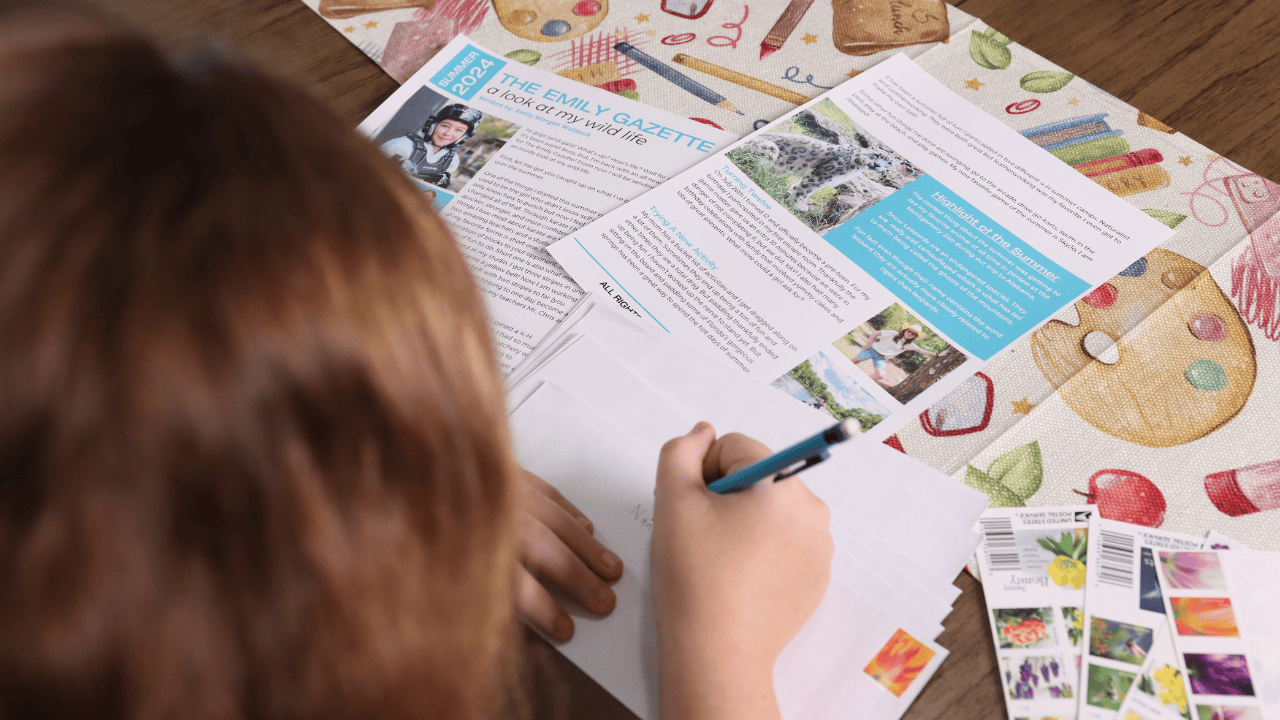
As we moved into elementary school years, Mail Time Monday started to look a bit different. We added pen pals and real letter-writing skills. She learned how to address an envelope, how to format a friendly letter, and how to keep the conversation going with questions.
Our letters also became an excellent way to learn geography without a textbook. Pen pals from other states and countries taught us through letters and addresses. Writing for an audience made everything more meaningful.
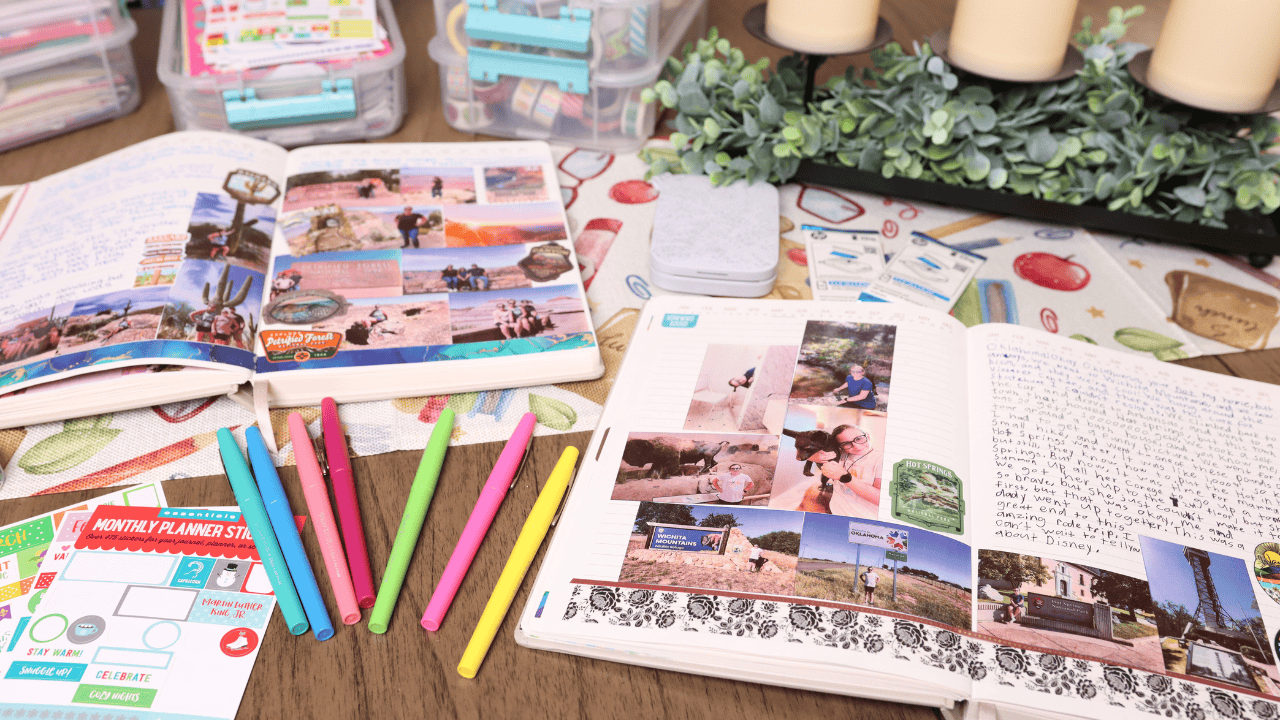
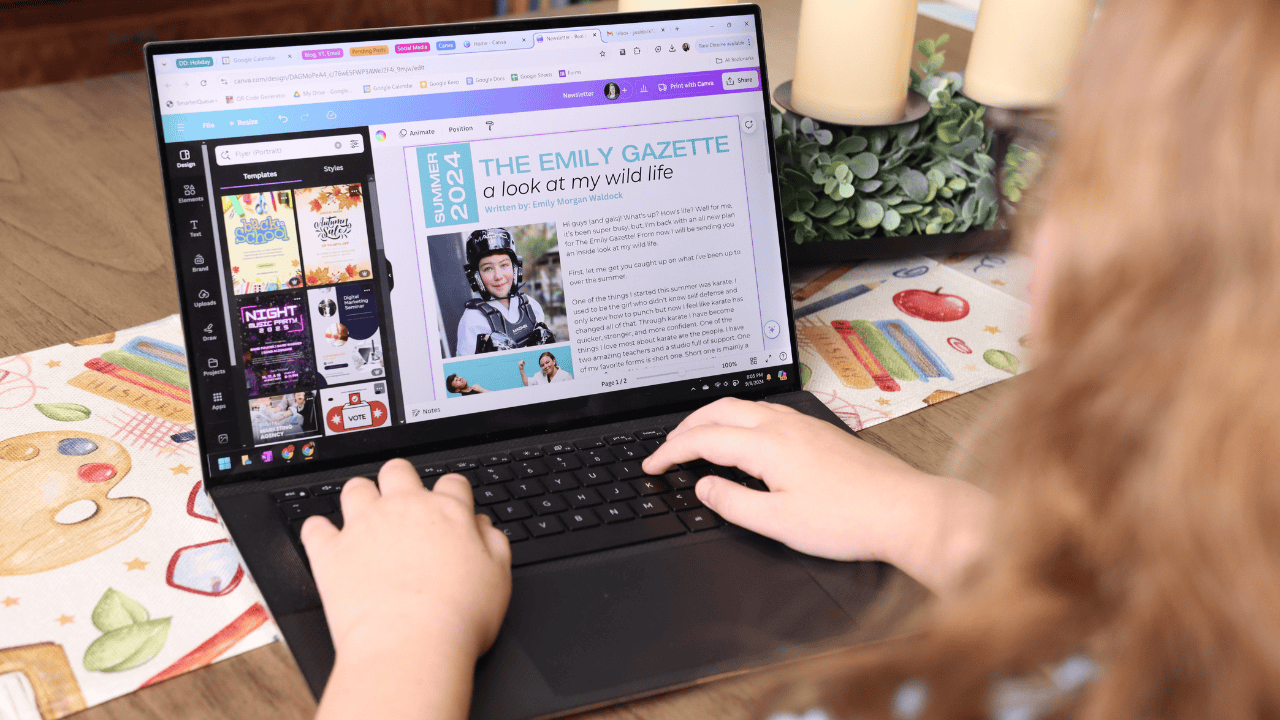
By the time we reached the middle school years, Emily had taken over our family newsletter. Now, she writes articles, shares updates, and distributes them to grandparents and relatives who love getting something in the mail that isn’t a bill.
We have watched her confidence soar in ways we never could have manufactured with a workbook. Want to know the best part? Now, she asks if we can do Mail Time Monday. She asks!
Journaling Without Pressure
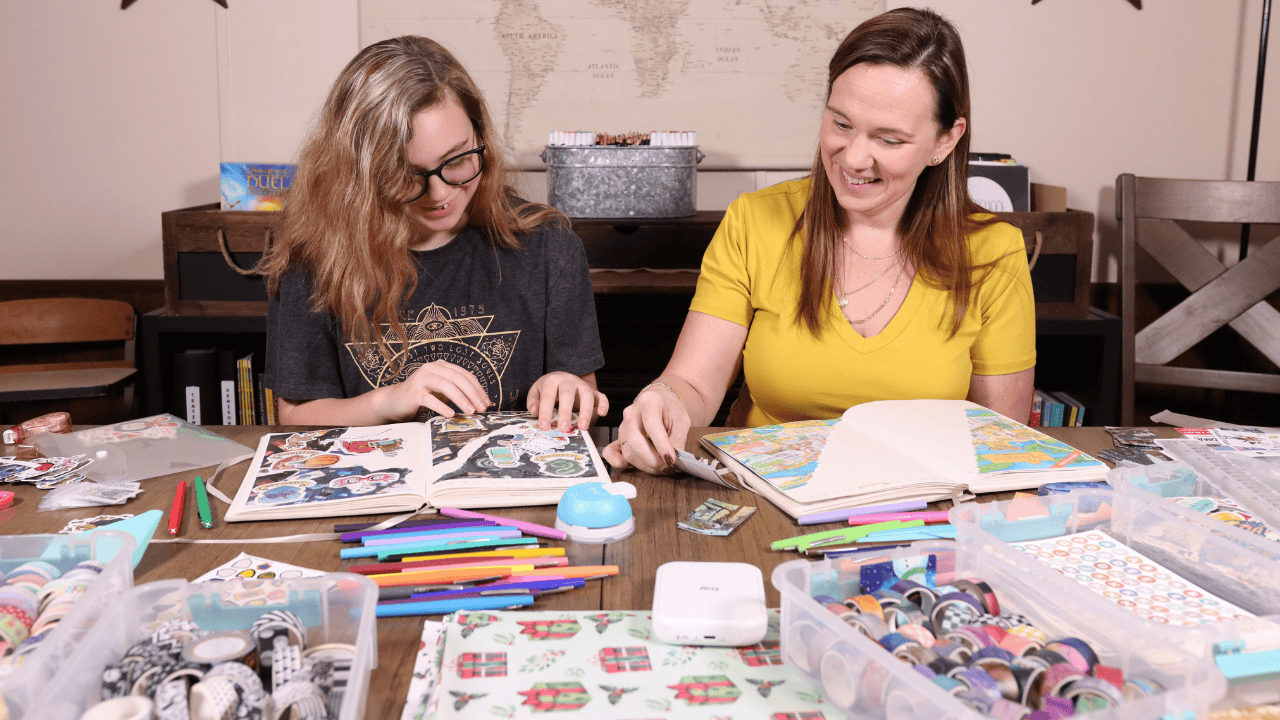
Journaling has been another big part of writing for us. We keep them, but they probably aren’t the kind of journals you’d expect. It all started as a form of homeschool mom self-care for me.
We don’t assign prompts or check for a topic sentence. Our journals are part sketchbook, part diary, part idea dump. We draw, write, and jot notes. Writing in our journals is about remembering moments, not checking a box on our homeschool to-do list.
This kind of journaling is emotional processing, it’s creative expression, it’s healthy writing practice. I’d take this over formal writing assignments any day.
Now, when we come home from a museum or nature hike, Emily reaches for her journal to share the experience, not because I assigned it. That’s the beauty of writing without a curriculum.
Other Real-World Writing Activities That Worked for Us
We have found that real-world writing activities really work well for us. Some of our favorites include writing games, storytelling, making cards, and pretend play.
Writing Games That Teach Story Structure
Gameschooling is a huge part of our homeschool, so it makes sense that games have found their way into our writing routine. Story card games have been wonderful for building narrative writing skills without formal instruction.
We have learned about cause and effect and sequencing by playing and making choices in stories. We internalized story structure by living it inside games. Now, it naturally shows up in everything Emily writes.
Get ideas for writing games you can play together with our list of the best language arts games for your homeschool. It’s filled with everything from grammar and spelling to creative writing.
Making Lists, Cards, and Everyday Writing
I bet you’ve never thought of making your grocery list as writing practice, but it’s the perfect weekly handwriting assignment. Some of our most effective writing practice has been the most ordinary.
Grocery lists, birthday cards for friends, and creating pretend restaurant menus have all been part of our homeschool. None of it looks like school, but it’s all great skill-building for writing muscles. Writing doesn’t have to be a whole production. Sometimes a sticky note on the fridge is all it takes. Everything counts!
How We Teach Writing Skills Without a Formal Curriculum
Trying to teach every writing skill at once is overwhelming for everyone. Instead, we layer skills gradually and intentionally, adding things when we are ready. This layered approach has made it much easier for us to build strong writing skills.
Focus on One or Two Skills at a Time
In the early years, we focused on the basics. Capitalizing the first word in a sentence and adding punctuation at the end. That’s all I corrected or encouraged in the beginning. Gradually, we added quotation marks when dialogue began showing up in books we were reading.
Then, we started adding paragraph breaks. Next came figurative language like similes and metaphors. These began naturally weaving their way into her writing because she was learning them in all the books we read together. Every skill had a season, and we just trusted the process.
Editing Together Instead of Correcting Everything
One of the most powerful changes I made to the way I taught writing was to move from making corrections to editing the writing together. It made a big difference!
When you give a child a page filled with corrections and red marks, it can look like a list of failures. When you sit together and ask questions like “Does this sentence feel like it goes on a little too long?” that’s a different ball game. Then, your kids can start to see the errors for themselves.
I still remember one afternoon reading paragraphs when my child paused and said, “That’s a run-on sentence.” When kids discover things like this on their own, they won’t forget it. That ownership is a game-changer for writing.
Can You Really Teach Writing Without a Curriculum?
I hear this question a lot! I totally understand the fear behind it. What about grammar? What about writing essays? What about high school?
It’s important to remember that skills can be layered in later. If kids need formal essay writing in high school, you can totally add it then. The mechanics of grammar can be taught at any age. But a love of writing is a genuine desire to put words on a page, and that’s so much bigger.
When it comes to teaching writing in homeschool high school, there are so many amazing resources you can bring in when you need them. You don’t have to have it all figured out by third grade. Give yourself the grace to meet your kids where they are now and go from there.
The Result: A Child Who Writes for Fun
So what’s the result of skipping the writing curriculum? Emily is writing a book! She’s not writing because I assigned it or because there’s a grade attached. She’s writing because she has a story to tell.
These days, she catches her own errors. She rereads her chapters and moves sentences around when they don’t sound right to her. She asks me to read pages and give feedback. That’s writing. That’s a writer. It’s everything I hoped writing would be when we started.
When kids love writing, they willingly grow their skills. Love has to come first. Then, the skills will follow. Someday, you might find yourself with a child who writes books for fun, not because of any special textbook, but because of the relationship you were brave enough to protect.
If you’re in a season where writing feels too hard or too heavy, I want you to know that you’re not failing. You are paying attention. That’s the most important thing a homeschool parent can do. We know our kids in a way no curriculum author ever can.
We see what lights them up and what shuts them down. You are the expert on your kid. Trust your knowledge. Curriculum is a tool, but it’s not the boss. We can use it when it helps and put it away when it doesn’t. Ultimately, the best homeschool writing curriculum you can use is real life.

You have such well thought out and interesting ways to draw children and adults into writing! Please send me the writing prompts as a printable. I look forward to trying these over the summer along with my grandchildren.
Yes!! How do we get the writing prompts for middle school?! 😍
I love this! Thanks for the encouragement! We’ve tried many writing curriculums over the years and nothing has helped everyone be happy. I’m always thankful for permission to throw away formalities and let kids grow with real world learning. I’d love more info on The Emily Gazette!!
Ha, I am LITERALLY reading your post and my reluctant writer just sat down in front of me with a clipboard and pencil. I asked what she was doing – “writing.”
Funny how that little scenario played itself out.
Thank you for this, such a great perspective. I will refer to this often.