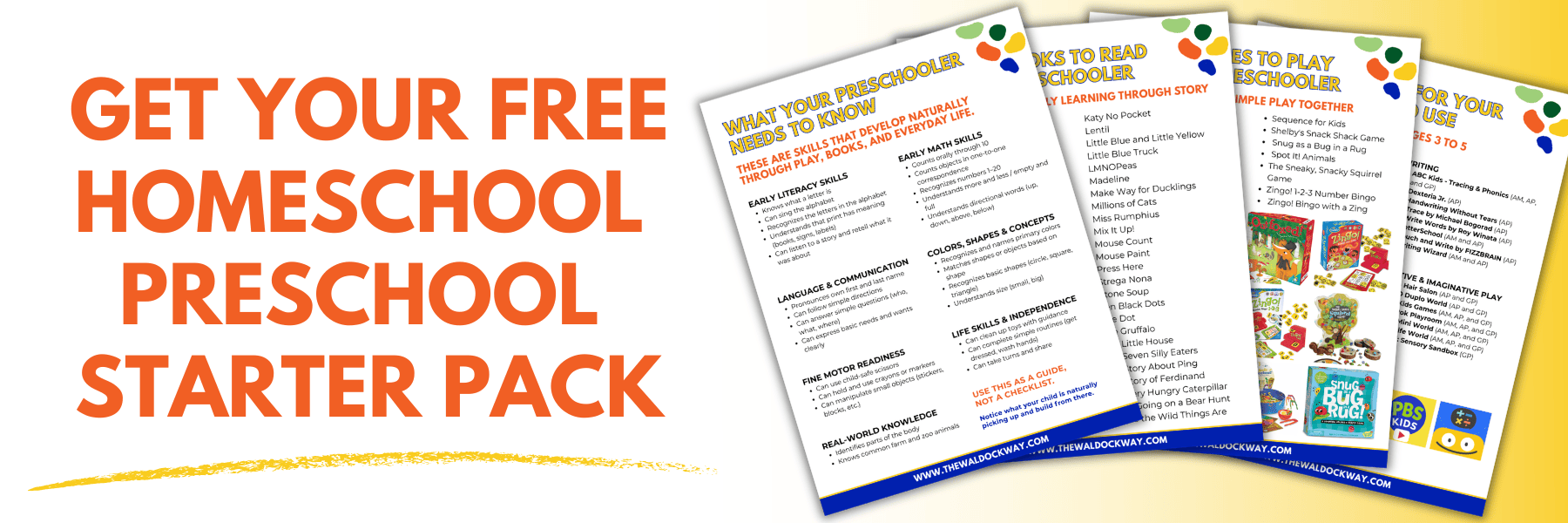
Preschool Language Arts: Playful Resources for Early Readers
What if homeschooling preschool language arts was filled with play-based connections and cozy read alouds? It can be! I’m so excited to share with you how we discovered that you can ditch the stressful boxed curriculum and focus on learning with games and beautiful books.
Teaching your preschoolers to read can begin with captivating stories, not flashcards and memorization. That’s why we created Purposeful Preschool, a resource filled with 26 weeks’ worth of activities, books, games, and YouTube playlists you can enjoy together.
This is the ultimate flexible interest-led language arts curriculum for early learners. You’ll get tons of everyday ideas for preschoolers, helpful pro tips from our journey, and the book and game recommendations you’ve come to love.
What if preschool language arts could be full of play, laughter, and storytime snuggles? The good news is it absolutely can! Over the years, we’ve learned that early literacy doesn’t have to look like memorizing flashcards. Instead, it can grow naturally through books, games, and everyday moments.
In this post, I’ll share how we’ve made language arts a joyful part of our preschool days with simple, interest-led activities and stories that spark curiosity. Whether you’re just starting your homeschool journey or looking for fresh ideas, we’ve got playful inspiration and practical tips for the adventure.
Language Arts Always Begins with Story
Whether your child is three, five, or fifteen, language arts always begins with the story. It’s true for every age, but especially preschoolers. When our little ones hear a story, they’re not just listening; they’re building vocabulary, developing print awareness, recognizing narrative structure, and learning the power of words.
For preschoolers, storytime isn’t a filler. Listening to storybooks is the best way to learn language arts, because it doesn’t require worksheets or flashcards (unless you want to). Instead, books foster connection, spark curiosity, and evoke emotion.
When we first started homeschooling preschool, I was worried about learning the alphabet song, memorizing sight words, and spelling number words. I wish someone had reminded me that the relationship and the story matter more than cut-and-paste sequencing worksheets.
The books you read with your preschooler spark conversations, pretend play, and memories you’ll cherish forever. Ultimately, the books form a foundation for learning that’s worth more than gold.
The Best Preschool Language Arts Resources
There are many different preschool language arts resources and workbooks out there. If you’re homeschooling preschool, I’m sure your social media feed is full of curriculum claiming to be the best. With so much to choose from, it can be hard to know which resources are truly the best.
If you’re searching for resources that are playful, flexible, and built for connection, you’re in the right place. These are the go-to preschool resources we recommend for learning through play in everyday life with your little ones.
Purposeful Preschool
Our Purposeful Preschool Pack is designed to make homeschooling preschool as easy as possible. Instead of rigid lesson plans that require lots of prep time and a strict schedule, you’ll find hands-on activities, story-based learning, and a flexible structure to ensure your little ones love learning right out of the gate.
This interest-led resource focuses on learning through everyday exploration, engaging books, and games. Each week focuses on a different letter of the alphabet, a number or color, and a new hands-on pretend play activity. This setup keeps each week new and exciting without overwhelming your preschool learner.
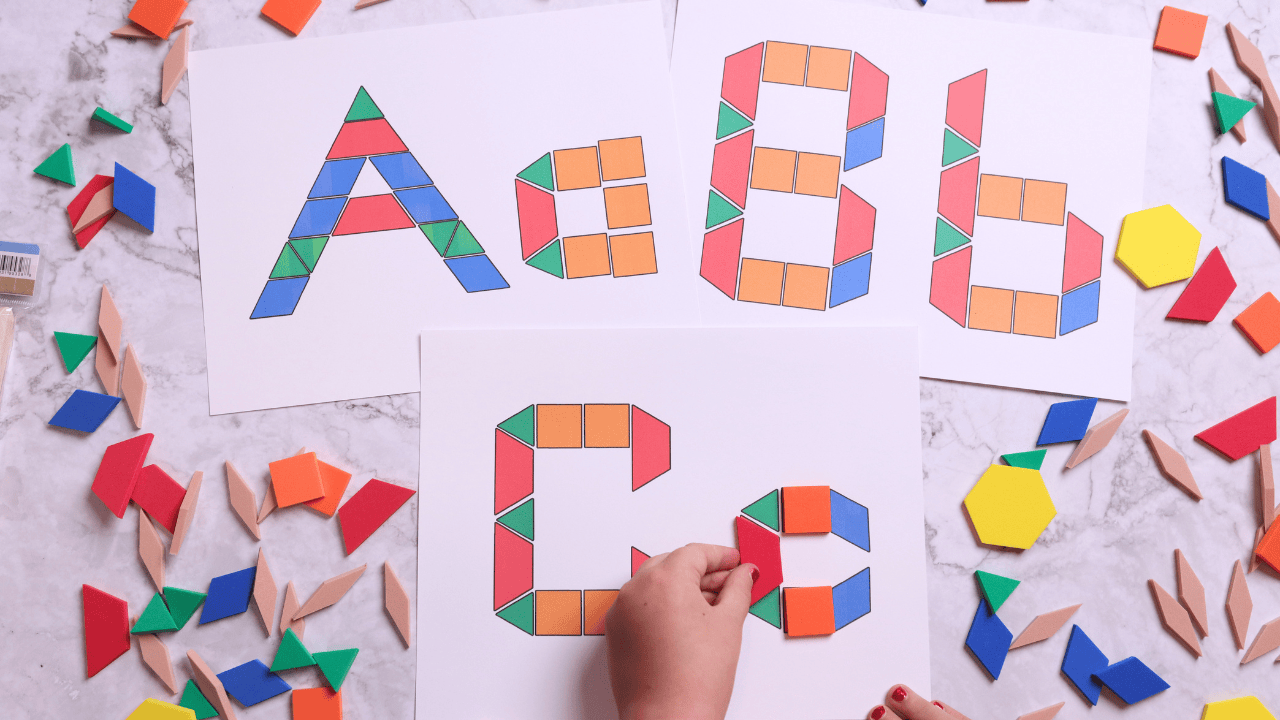
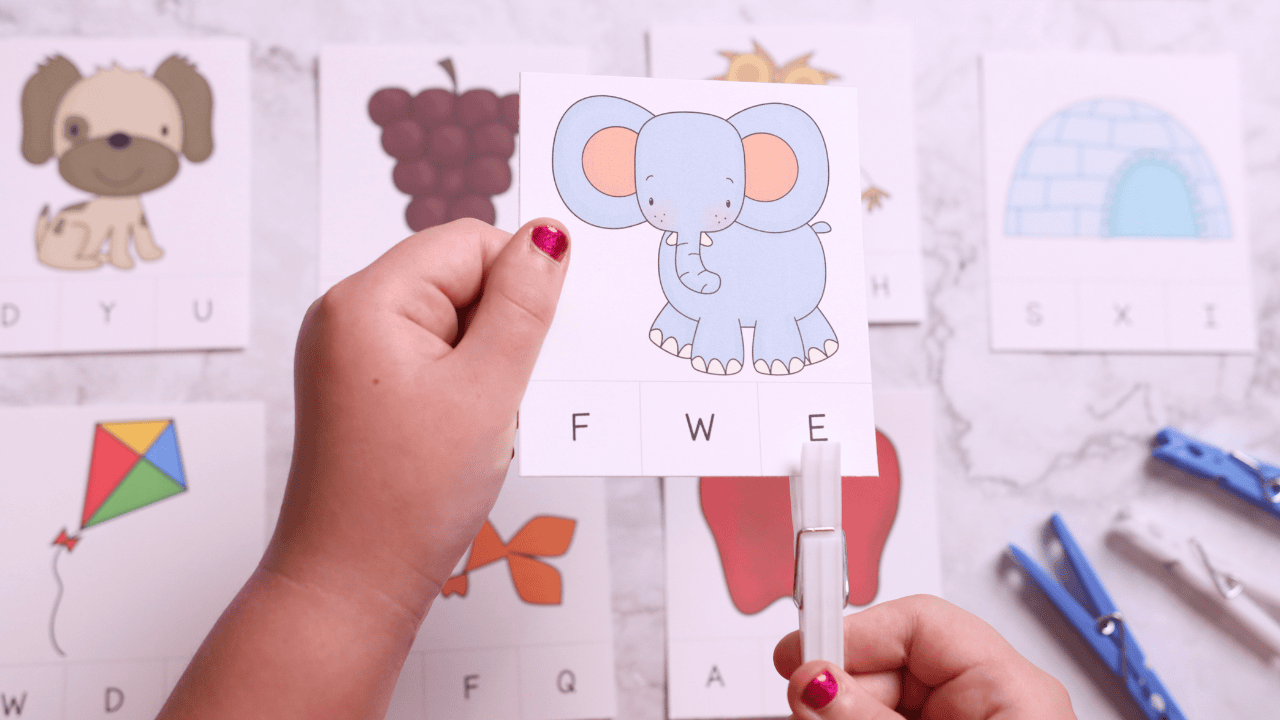
Plus, it includes the resources from our Alphabet Fun Pack with hands-on activities to help kids learn to recognize letters, letter sounds, and early words in a way that’s filled with movement and play. If you’re looking for a more gentle approach to language arts, this is definitely it.
Playful Preschool Discovery Deck
If you want to add one simple, low-prep tool to your preschool language arts routine, this is it. Our Playful Preschool Discovery Deck is designed to bring early learning to life through music, movement, and repetition, which is exactly how preschoolers learn best.
Each card introduces a foundational preschool topic like letters, letter sounds, numbers, colors, or shapes, and includes a scannable QR code that links directly to a fun, kid-friendly song. Instead of sitting down for a lesson, your child is learning through singing, watching, and interacting.
This has become one of our favorite ways to add language arts into the day without it feeling like “school.” You can:
- Use it during your morning basket
- Pull a card during breakfast or snack time
- Bring it in the car for easy learning on the go
- Or let your child choose a card and lead the learning
The songs help reinforce important early literacy skills like letter recognition, letter sounds, vocabulary, and listening comprehension in a way that feels natural and engaging.
Plus, it gives you an easy way to include things like the alphabet, rhyming, and even early communication skills like sign language without needing to plan anything extra.
Preschool Book Suggestions
Reading books together is the master key to unlocking language arts learning for preschoolers. When your little ones see you excited about a new story, they get excited too and begin to fall in love with reading.
That’s a big part of why we love compiling amazing book lists for every season, holiday, and subject. To make the best use of these lists with your preschooler, choose a theme, pick your favorite titles from the list, and read them aloud together. You can even get ideas from our list of Language Arts Picture Books for Your Homeschool or dive into The Best Books to Read to Your Preschooler, where you’ll find engaging, age-appropriate stories that build vocabulary, spark imagination, and make storytime something your child looks forward to.
Sometimes it can be fun to ditch the list and visit the library or bookstore without a plan to discover brand new books together. Let your child lead the way as they get lost in stacks of books and find the one they’re most interested in.
Then, revisit the book your preschooler liked best and ask questions about it. Get your little one to retell the story in their own words. Then, draw a picture or act it out. You can use our Pretend Play Pack to help as you role-play different parts of the story.
Ultimately, it doesn’t matter if your child can recite the story or even if they remember the order or events. What matters is the strong connection they’re building as they fall in love with books.
Preschool Game Suggestions
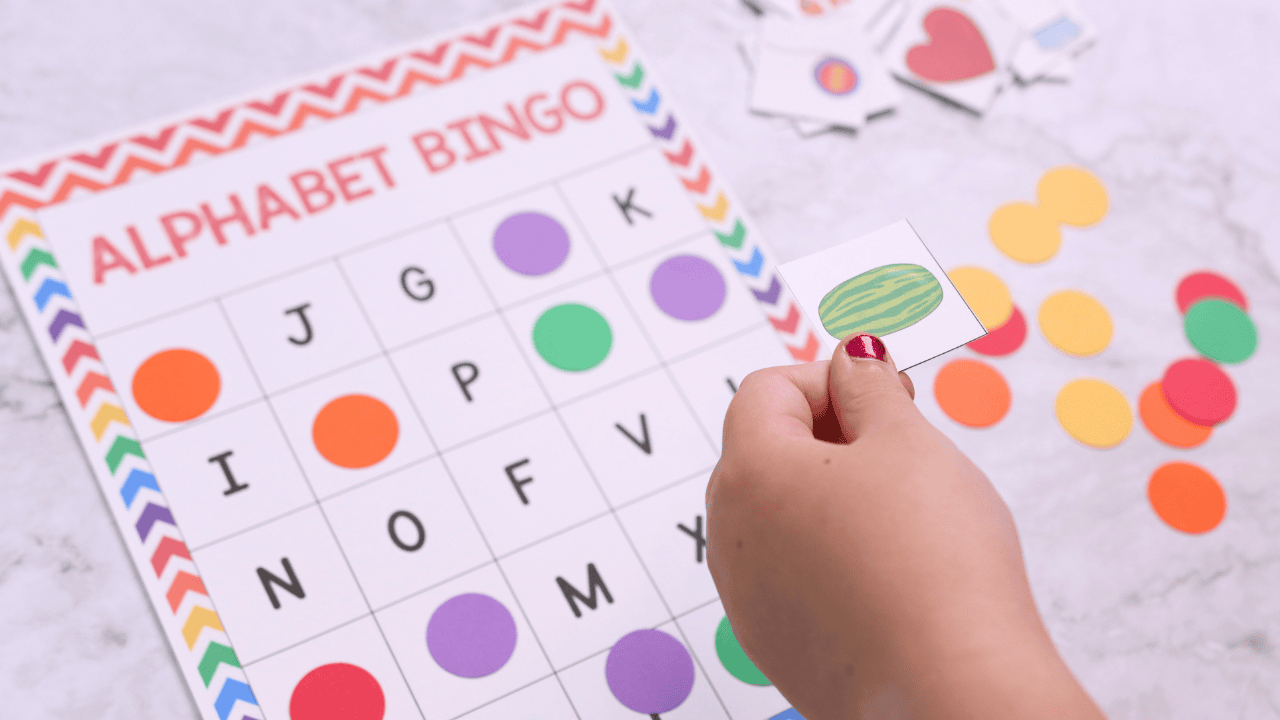
Simple games help preschoolers practice listening, vocabulary, storytelling, and communication in a way that feels natural and fun. Whether it’s a matching game, a rhyming game, or even a simple board game, kids are learning every time they play.
If you’re looking for ideas, check out The Best Language Arts Games for Your Homeschool, from ABCs to storytelling these are some of our favorite go-to games that build real skills through play.
We love using games as a low-pressure way to reinforce what we’re already learning through books. It keeps things light, engaging, and perfect for little attention spans.
Everyday Language Arts Ideas for Preschoolers
One of my favorite aspects of homeschooling language arts with preschoolers is weaving lessons into everyday life. We have found that the best way to get kids invested in what they’re learning is to make it part of real life. Here are some of our favorite ways to make it happen:
- Narrate your day. As you fold the laundry or cook dinner, talk about adjectives and verbs.
- Go on a rhyming scavenger hunt. Preschoolers can find things that rhyme around the house.
- Sing and act out nursery rhymes. Kinesthetic learners will love “doing” the words.
- Label stuff. Let preschoolers use sticky notes to label toys and household items.
- Question Time. Ask your preschooler questions about stories to build reading comprehension.
- Keep it short. Remember, preschoolers have short attention spans, so opt for short sessions.
- Celebrate. When kids pretend to read a book, make up a new word, or notice a letter, celebrate.
Check out Language Arts for Everyday Learning to find more of our favorite everyday language arts ideas for preschoolers. Remember, every day is filled with learning opportunities. The key is to notice the moment and make it fun. When you do this, your kids will start to notice them too.
Preschool Resources to Help Your Child Thrive
Over the years, we have come to realize that preschool doesn’t have to be as rigid and structured as I first thought. After trying lots of different resources, we’ve learned that connection and flexibility are worth more than flashcards and worksheets.
That’s why my biggest advice to new homeschoolers is to embrace what works, let go of what doesn’t, and remember to let your preschoolers be little. With that in mind, here are a few more of my favorite preschool resources to help your child thrive.
- How to Create a Homeschool Preschool That Really Works
- The Best Books to Read to Your Preschooler
- The Best Games for Preschoolers (That Actually Teach)
- Preschool Resources You Actually Need (Simple & Hands-On)
- Homeschool Preschool Do’s and Don’ts
- Homeschooling Preschool? This Is What I Wish I’d Known
- Homeschool Preschool: What I’d Do Differently (If I Could Start Over)
Ultimately, you’re the most important resource for helping your child thrive. Your presence, voice, interest, and commitment matter more than the perfect curriculum or schedule. So, grab a book from the list above, snuggle up with your little one, and read aloud. Then, share your adventures in the comments!