
What “Counts” As Real Learning in Our Homeschools?
We’ve all had that day. It’s the one where you wake up with a plan. You may even have a printed schedule. By noon, not a single worksheet has been touched.
Instead, your kids spent the morning peppering you with questions about volcanoes, begging to watch movies, and the living room floor is covered in scraps of paper and glue sticks. There are no pencils, no workbook pages, and no checked boxes on your homeschool schedule.
Suddenly, you are overcome by a quiet, unsettling question that I think every homeschooling mom has asked herself at least once: “Did we actually do school today?” I want to help you answer that question with a big fat yes, but I know that believing it might require intentional unlearning.
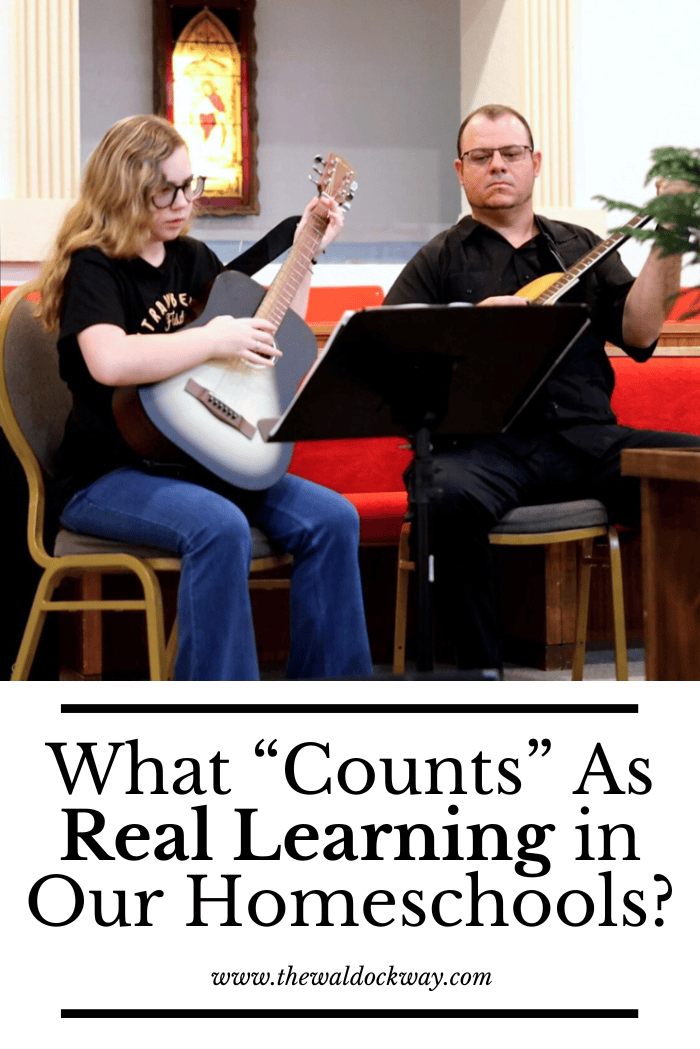
Why We Default to a Traditional Definition of Learning
Most of us spent twelve or more years in a classroom. We sat in rows with open textbooks. We completed worksheets, took tests, and waited for bells to tell us when learning was allowed to begin or end. That experience shaped our entire understanding of what school should look like.
It’s no surprise that when we start homeschooling, we measure our days against what we experienced growing up. When our kids aren’t sitting at a desk, part of us starts to wonder if we’re really doing this right. All that beautiful freedom and flexibility we love about homeschooling can lead to uncertainty.
Here’s what I wish someone had told me earlier: homeschooling was never supposed to be school at home. The whole point is to do something different. We get to choose a path that fits our children and our families in a better way.
The freedom is real, but it can feel scary when you’ve spent your whole life being told what learning is supposed to look like. Just because it doesn’t look like traditional school doesn’t mean it’s less valuable.

Learning Is Bigger Than Worksheets
One of the best shifts I’ve made as a homeschool mom is expanding my definition of what counts as school. Once we started paying attention to all the ways our child was actually learning, not just the ways we could easily document, we realized our days were filled with lessons. It turns out that real, meaningful learning takes many forms, and they are all valuable.
Reading Together Counts
Read-alouds are one of the most powerful tools we have as homeschoolers. I love that we get to read books every single day. When we read aloud together, whether it’s a novel, a biography, or even a picture book, we are expanding vocabulary, building fluency, and learning more about the world through books.
If read-alouds have been a struggle in your homeschool, check out our tips for keeping kids engaged while you read aloud. It’s filled with helpful advice for getting the wiggles out and increasing focus.
Audiobooks on car rides count too. They spark the best conversations! We talk about what we thought and how a story connects to other things we are studying. It’s reading comprehension, critical thinking, and a mashup of ideas happening in real time. That’s valuable learning.
Documentaries and Educational Videos Count
I used to feel guilty about watching movies in our homeschool. As if somehow pressing play on the TV meant I was taking a shortcut. I don’t feel that way anymore.
Visual learning is genuinely powerful, especially for kids who struggle to absorb information from textbooks. A great documentary imparts knowledge and introduces kids to experts and new ideas they would never encounter in a workbook. Most importantly, it sparks the kind of curiosity that keeps kids asking questions for days.
Does your child want to watch the same documentary twice because they loved it that much? That’s engagement. Get our list of the very best documentaries to watch in your homeschool this year. It’s learning, and it totally counts!
Conversations Count
Some of the most important learning that happens in our homeschool happens around the dinner table. We debate, wonder out loud, share our opinions, and ask lots of why questions. It helps us practice reasoning, communication, empathy, and logic all at once.
Real talk about current events, scientific discoveries, and even movies gives us the context to make sense of what we are learning. It’s not just fluff. This is a crucial part of a rich education that we get to enjoy every single day.
Projects, Activities, and Field Trips Count
If you build a model rocket, bake cookies from another culture, grow a garden, conduct a science experiment, or visit a museum, you’re learning many different things at the same time. Research backs this up.
When kids interact with information in lots of different ways, with real-world experiences like field trips, it sticks. Textbooks and worksheets simply can’t replicate that. Hands-on learning and field trips aren’t a break from education. They are some of our most memorable school days.
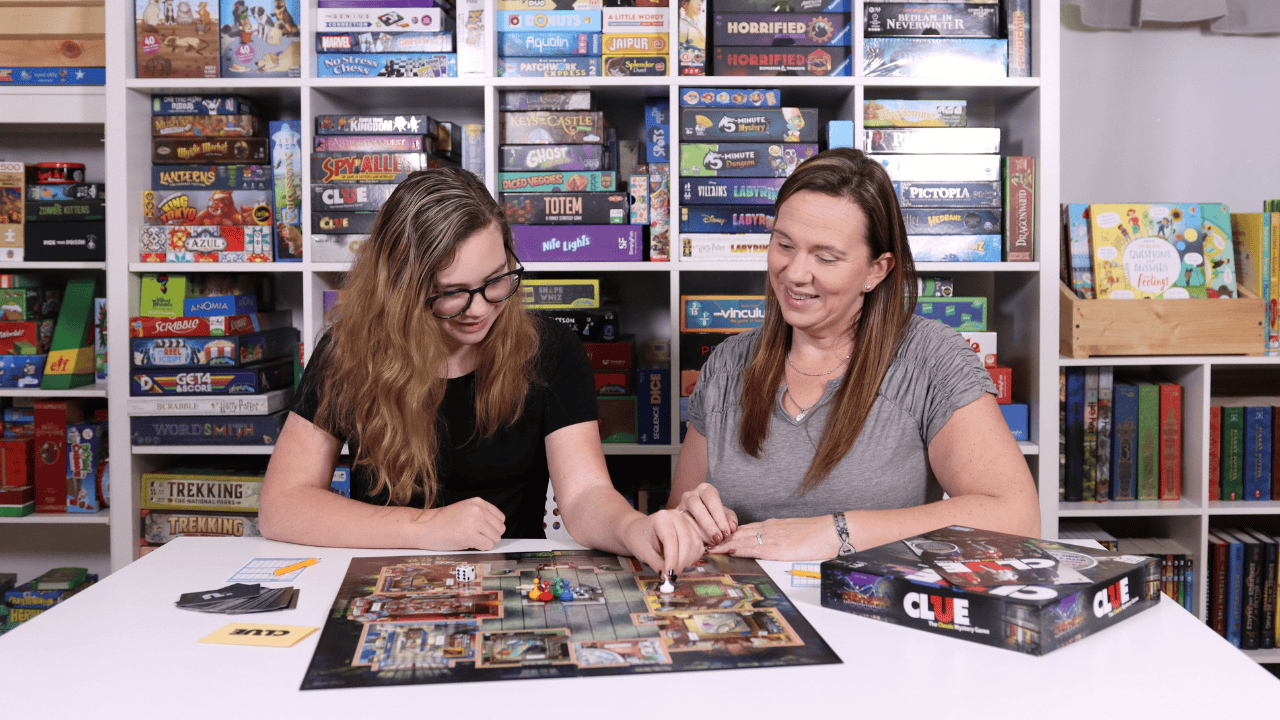
The Difference Between Busy Work and Deep Learning
Ultimately, there’s a real difference between busy work and deep learning. In our experience, worksheets aren’t always on the right side of that line.
Busy work is focused on completion. It’s about filling in the blanks and checking the box. A kid can finish an entire page of questions without retaining a single concept. They can memorize a list of definitions for a quiz on Friday and forget it completely by Saturday morning.
Deep learning is the opposite. It’s focused on connection and understanding, not just memorizing. It’s engagement, not compliance. A child who can explain a concept in their own words, connect it with something they already know, or use it to solve a real problem has learned something. Those ideas will stay with them. That’s retention, not regurgitation.
On days when I’m second-guessing whether or not we actually learned anything, I ask myself if Emily can explain what we did in her own words. I consider whether or not she can connect it with something else we have learned about or experienced. If your child is curious enough to ask questions about it, learning happened.
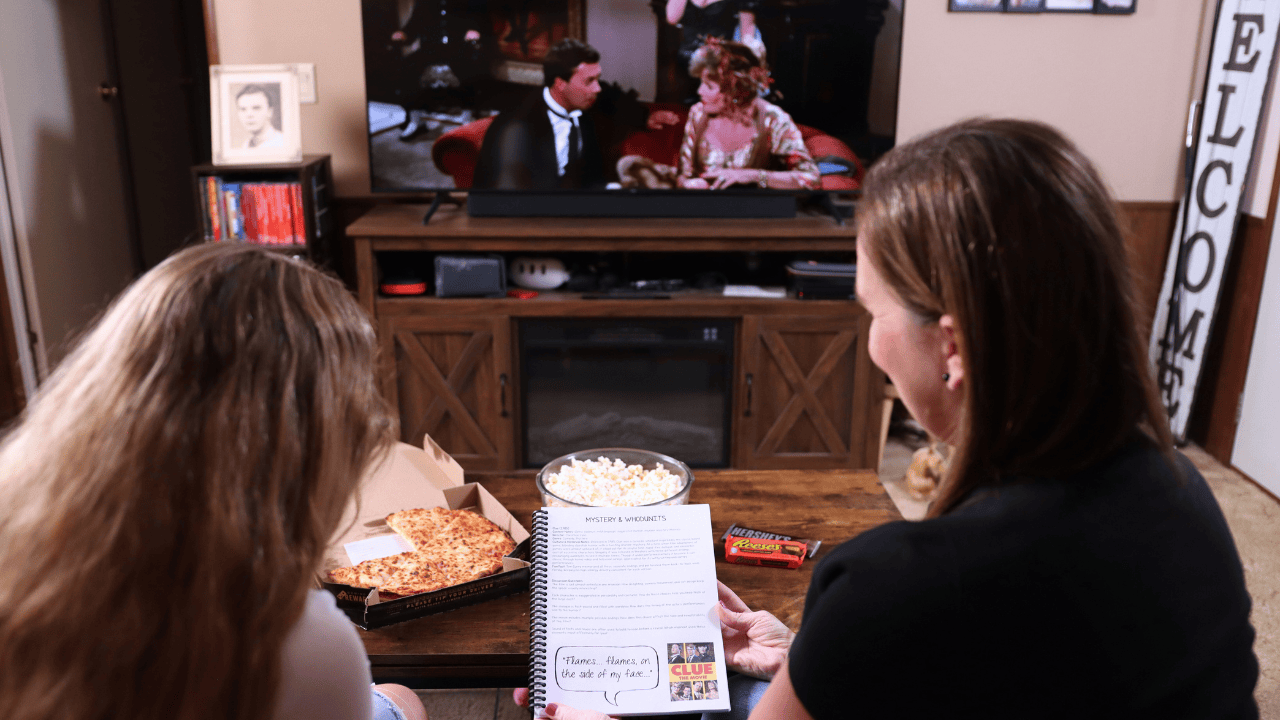
How Do We Know It Counts?
I know what it feels like to reach the end of a day that didn’t look like what you planned. It’s easy to wonder if it was “enough.” I’ve been there more times than I can count.
Learning counts when your child engages with ideas, asks questions, applies knowledge, or creates something. Learning doesn’t require a test or a “passing grade.” Learning isn’t a performance; it’s a process.
The process looks different for everyone. So, take a deep breath and look at what’s actually happening in your homeschool. I think you will find that more learning took place than you realized.
You are paying attention to your child every day. You’re noticing what lights them up and what shuts them down. You’re making adjustments based on what they need.
We would love to hear about what learning looks like in your homeschool. Share your favorite “non-traditional” learning days in the comments below. We can’t wait to read them!